I couldn’t recommend this course highly enough… it will make you stand out from your competitors.Phil M, Heating Engineer - Bucks
Rated 4.9/5 stars
by over 500 engineers
I couldn’t recommend this course highly enough… it will make you stand out from your competitors.Phil M, Heating Engineer - Bucks
by over 500 engineers
A pH test is not explicitly mandatory, but it's not optional either.
Without a water test, you don't know if the pH is suitable for your preferred boiler or heat pump model.
If the pH is outside the manufacturer's limits, does that mean you can't fit the appliance?
Let's dig in.
Building regulation guidance (eg Approved Document L) says heating systems should be cleaned, flushed, treated against corrosion and commissioned in accordance with BS 7593, which also covers filtration and ongoing water quality checks.
Neither the guidance nor BS 7593 explicitly requires a pH test on every installation, but the water still needs to be suitable for the equipment installed.
As pH naturally varies across the UK and manufacturers specify different pH limits for their boilers and heat pumps, you need to check the water to know whether to treat it or opt for a different model.
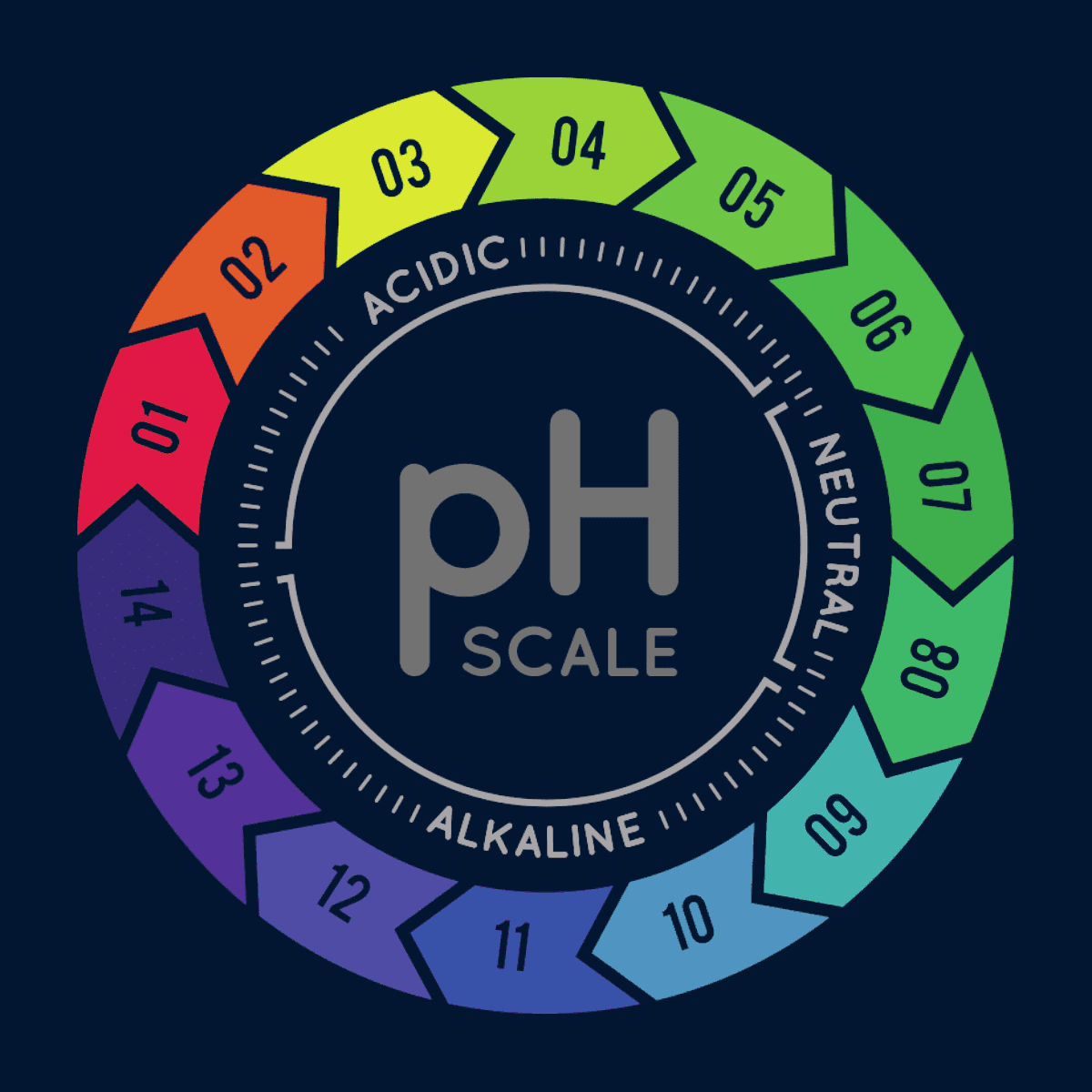
pH measures how acidic or alkaline water is.
Mains water pH varies across the UK. Drinking water regulations permit pH 6.5–9.5, which can already fall outside the limits of some heating appliances.
Once inside a heating system, pH can change further through chemical treatments, corrosion and repeated topping up.
There isn't one acceptable pH range for every heating system.
Different metals react differently to water chemistry. Steel generally benefits from alkaline conditions, while aluminium can corrode if the water is too alkaline.
As a general guide:
These aren't universal limits. Manufacturers specify their own requirements.
For example:
To be clear, pH is not related to whether its a boiler or heat pump or the operating temperature, rather the metals present both in the appliance and heating system and the manufacturer's requirements for their equipment.
Chemical inhibitors protect heating systems against corrosion. Some also contain pH buffers that can adjust and stabilise the water's pH.
Different inhibitors have different properties, so where pH needs adjusting, choose a product suitable for the system materials and capable of achieving the appliance's required range.
The finished water must then be tested to confirm it meets those requirements.
VDI 2035 is a German engineering guideline for preventing scale and corrosion through water quality and system design. Some manufacturers recognise it as an alternative approach to the chemical inhibitor treatment covered by BS 7593.
The approaches work differently:
But demineralised water alone isn't enough. If oxygen continues entering the system, corrosion can still occur.
That's why VDI 2035 considers the whole installation, including pH, conductivity and limiting oxygen ingress. A system can be watertight without being oxygen-tight.
Where a manufacturer accepts this approach, the whole installation must meet its requirements, not just the fill water.
And remember, a correct pH reading alone doesn't prove the system is clean or adequately protected against corrosion.
1. Check before choosing equipment
Check the appliance manufacturer's pH limits and look for components that may restrict them, particularly aluminium heat exchangers or radiators. The incoming water's pH may influence your choice of equipment.
2. Know your starting point
Test the mains water if you're refilling the system, or the existing water if it's being retained. Water treatment manufacturers provide simple onsite test kits with immediate results.
3. Clean and flush the system when fitting a new appliance
Statutory guidance in England, Wales and Scotland sets out cleaning and flushing expectations when replacing a heating appliance. Follow the manufacturer's instructions and choose an appropriate method.
4. Choose the right treatment
For treatments under BS 7593, select an inhibitor suitable for the system materials and use the correct dose. Some inhibitors also affect pH, so check that the finished water meets the appliance's requirements.
If using VDI 2035, check that the manufacturer accepts it and that the whole installation meets its requirements for water chemistry, limiting oxygen ingress. Demineralised fill water alone isn't enough.
5. Test, record and hand over
Verify the water quality after treatment and commissioning, including pH and inhibitor concentration where required. Follow any specified timescales for testing after the water has stabilised.
Some water-treatment manufacturers offer apps that generate PDF test reports for the installer and customer.